
Do you want to return to yourself and feel safe to simply be?
I can help you.
Do you want to return to yourself and feel safe to simply be?
I can help you
Welcome,
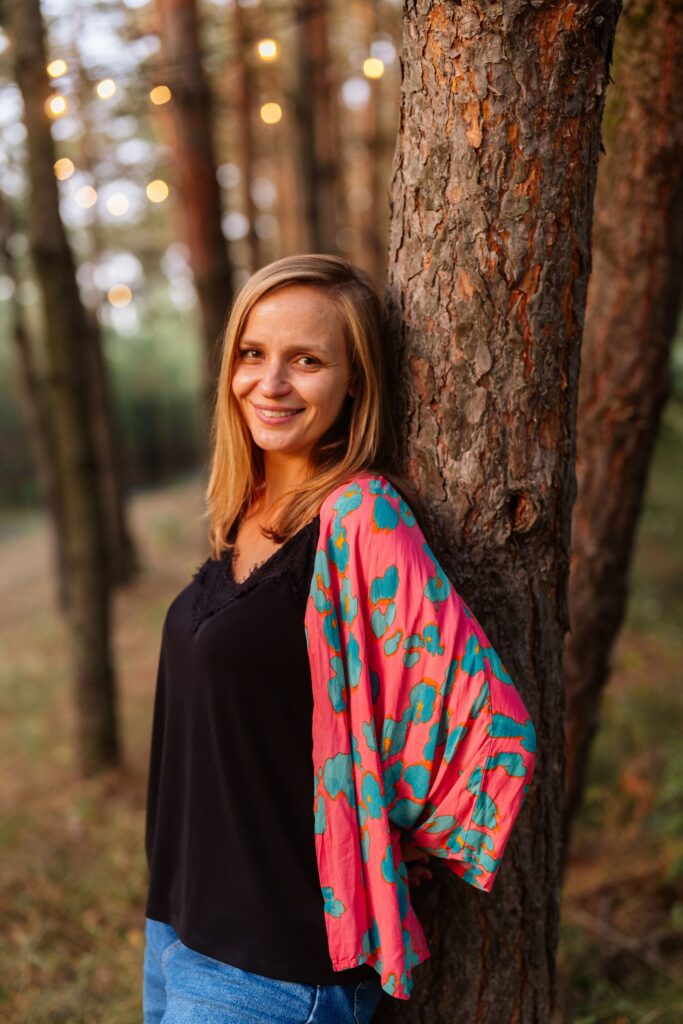
my name is Hanna Strzałkowska and I am a certified psychotherapist working in body-oriented psychotherapeutic modalities.
I help people struggling with mental crises, relationship difficulties, mood and anxiety disorders, psychosomatic disorders, the effects of shock, developmental and complex trauma, as well as those who simply want to develop and enjoy their life more fully.
Working with me you will experience classic talk psychotherapy combined with the body psychotherapy, including somatic sensing of the body, working with the autonomic nervous system, conscious movement with its symbolic aspect, and working with the psychological functions of muscles.
“Psychoterapia Ucieleśniona” (Embodied Psychotherapy) is an invitation to return to yourself – to feeling, to being in touch with your body, emotions, and needs, to conscious and vibrant life.
How does working with the body help in psychotherapy?
As human beings we are a whole so our psychic and body constantly influence each other.
As human beings we are a whole so our psychic and body constantly influence each other.
When can you notice this mutual influence?
You know it, don't you?
This means that you can work through these, usually unconscious, emotions and patterns not only by working with your psyche, but also by working with your body.
When can you notice this mutual influence?
You know it, don't you?
This means that you can work through these, usually unconscious, emotions and patterns not only by working with your psyche, but also by working with your body.
By also working through the body, you create new neural pathways and new possibilities for muscle reactivity, giving yourself additional help in the psychotherapy process.
By including the body, you create new neural pathways and new possibilities for muscle reactivity, giving yourself additional help in the psychotherapy process.
Areas of support
Areas of support
Individual sessions
Personal growth
You want to deepen your self-awareness, to live mindfully, in harmony with yourself – your needs, impulses, desires, and dreams – and live by your full potential.
Mental health crises
You are going through a difficult time in your life – a sudden loss, breakup, illness, major change, or feeling lost about what to do next – and you need support to pause, find meaning, and regain your balance.
Difficulties in relationships
You experience recurring tensions in relationships, feel misunderstood, hurt, lonely, and have difficulty forming close, secure bonds. You don’t know how to take care of yourself and build satisfying relationships at the same time.
Mood disorders (depression)
You struggle with low mood, lack of energy, loss of meaning in life, motivation, or joy in everyday activities – you find it difficult to “be yourself” and feel connected to life. You may experience periods of excessive agitation followed by low mood.
Anxiety disorders
You experience anxiety, tension, panic attacks, or excessive worrying – your nervous system remains on alert, even though you desire peace of mind. Out of fear, you avoid various activities, places, and people. You have intrusive thoughts or feel the need to repeat certain actions.
Psychosomatic disorders
Your body speaks the language of tension, pain, and symptoms that are difficult to diagnose. You have sensory hypersensitivity, sleep problems, digestive and respiratory issues, migraines, chronic pain, and other physical issues that have no medical explanation or are related to psychological factors.
Shock trauma (PTSD)
You want to cope with the experience of a sudden, overwhelming event that threatened your life or health and after which it is difficult to return to everyday functioning – you experience intrusive memories, anxiety, feelings of danger, numbness, or avoidance, as well as various physical symptoms.
Complex trauma (cPTSD)
Your life, especially during childhood, was marked by emotional insecurity for a long time – in relationships that were characterized by tension, chaos, unpredictability, criticism, or violence (not always physical). Today, you struggle with intrusive memories, avoidance of situations, thoughts, and emotions related to these experiences, hypervigilance, difficulties in regulating emotions, a negative self-image, and difficulties in interpersonal relationships.
Groups and workshops
On offer for 2025/2026:
- Developmental group in Warsaw
- Developmental group in Kielce
- Workshops in Warsaw and Wroclaw
- Retreats in nature
The effects
Deeper connection with yourself and your body
You gain better access to your emotions, feelings, needs, desires, and individuality – not only in your mind, but also in your body. You learn to listen to yourself with greater mindfullness and tenderness.
Greater emotional regulation and inner grounding
You regain a sense of security within yourself. You cope better with tension, anxiety, stress, and overwhelm. You recognize and contain different emotions within yourself, while having a choice in how you want to respond to them. You regain a sense of agency.
Regaining vitality and spontaneity
Through mindful contact with your body, you awaken your life energy – joy, freedom of movement, expression, and the ability to participate more freely in life. Instead of control or disconnection, you gain access to authenticity and greater lightness.
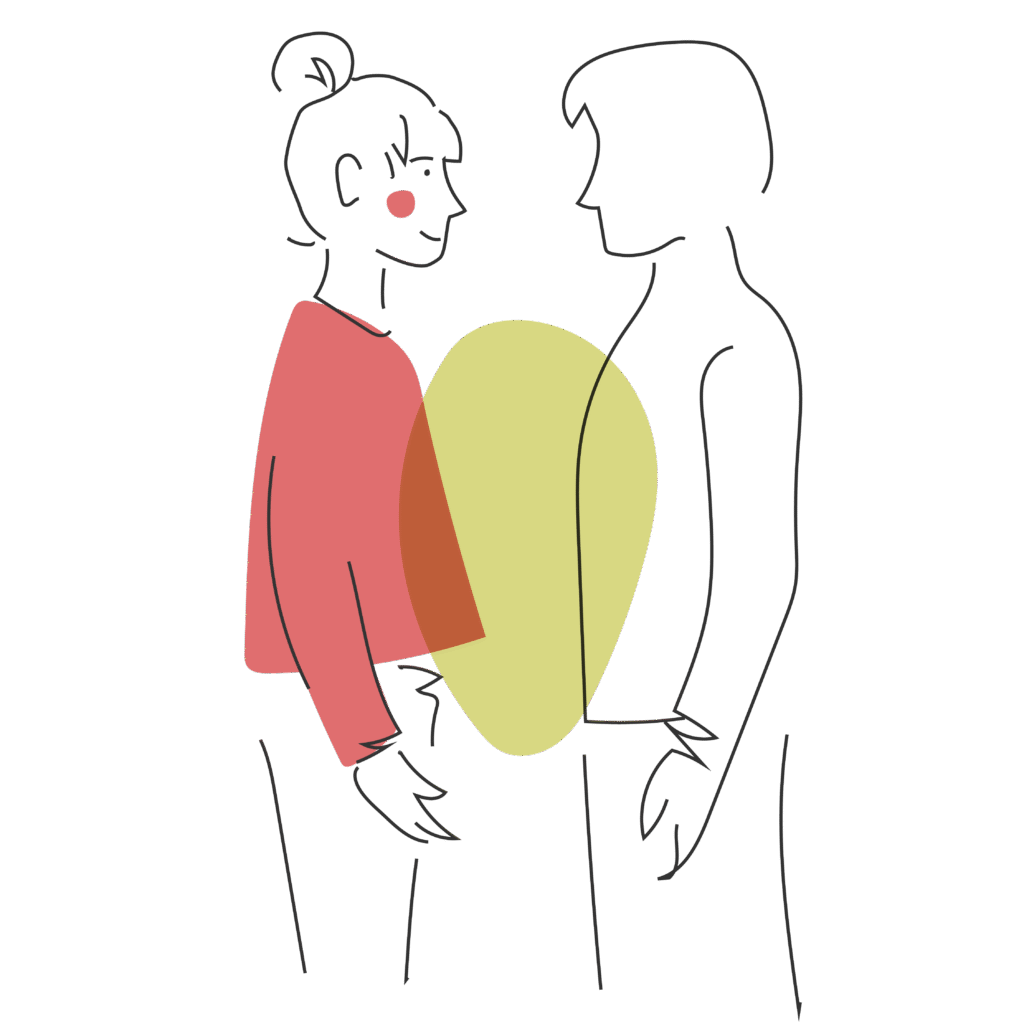
Building healthier, more fulfilling relationships
You develop the resources to build more satisfying relationships. You build boundaries that protect you – but do not isolate you. You become better at reaching out for help and support. You learn what it is like to be connected with others without losing yourself.